

What innovations are shaping the landscape of online marketing? Will artificial intelligence become the new retail sales specialist? How will online sales, shipping, sales platforms, and social media change to meet the growing expectations of instant gratification? And finally, how will sustainability issues affect the future of online shopping? If you are planning, for example, to start an online store, you have come to the right place. It is time to discover the online sales trends that will define the coming decade.
In e-commerce marketing, where every click, scroll, and sale of digital products is recorded, online store sales are undergoing a transformation with personalization at the forefront. It is no longer just a sales trend, but a fundamental element that defines success in the online world. In this section, we will explore how data and analytics are becoming key tools in shaping shopping experiences tailored to the individual needs and preferences of each consumer. In addition, we will present examples of tools and techniques that allow brands to effectively tailor their offers on online commerce platforms, creating unique and memorable shopping experiences.
The foundation of effective personalization is a deep understanding of the customer — their needs, preferences, shopping behavior on online store platforms, and history of interactions with the brand. Collecting and analyzing customer data allows companies to create detailed user profiles, which is the first step toward tailoring both the offer and communication. By using browsing and purchase history, product recommendation systems can suggest items that best match the customer’s interests and needs.
As technologies become increasingly advanced, the possibilities for personalization will continue to expand. The future belongs to companies that are able not only to respond to customers’ current needs, but also to develop their stores and anticipate future preferences, delivering offers, digital products, and experiences that stay one step ahead of market expectations.
Integration with artificial intelligence (AI) and automation is no longer a futuristic dream, but a reality that is transforming the e-commerce marketing industry on online store platforms in various ways. These online sales tools not only streamline business operations, but also significantly enhance store development, improve customer service, and personalize offers on sales platforms. In this section, we will look at how AI and automation are changing the landscape of online sales, focusing on key areas such as customer service, inventory management, and cost efficiency on a store’s website.

AI is transforming the way brands communicate with customers. Chatbots, using machine learning and natural language processing (NLP), are able to handle standard customer inquiries 24/7, relieving customer service teams of routine tasks. They significantly reduce response times, thereby increasing customer satisfaction. AI can analyze a customer’s history of interactions with a brand in order to provide more personalized and relevant responses. As a result, customers receive support that is precisely tailored to their individual needs and preferences.
AI helps analyze large datasets to predict changes in demand for digital products. As a result, online store owners can better manage their inventory, reducing costs associated with overproduction or stock shortages. AI-based systems can automatically place orders with suppliers when inventory levels fall below a certain threshold, significantly improving procurement processes and helping maintain continuity in online sales.
From logistics to returns management, this useful online sales tool significantly improves operational efficiency. It reduces human error, shortens order fulfillment times, and lowers operating costs. In logistics and warehouse management, AI can predict equipment maintenance needs, preventing breakdowns and unplanned downtime in running an online store.
Augmented reality (AR) and virtual reality (VR) are technologies that are becoming increasingly prominent in online marketing, offering new opportunities for both online store owners and consumers. By enriching reality with virtual elements or fully immersing users in virtual environments, AR and VR are revolutionizing the way people shop online, bringing benefits to both sides of the transaction.
Are you a small store and want to maximize your sales? Sign up for webeAds and gain access to exclusive tools!
Click here and discover more!
TRY IT FOR FREE!

IKEA Place. An app that uses AR allows users to “place” furniture from IKEA’s offer in their home space using a smartphone or tablet, so they can see how it will look and whether it fits the interior before making a purchase.

Sephora Virtual Artist. Sephora offers an AR tool that allows customers to try out various products, such as lipsticks or eyeshadows, using their mobile phone camera.

Gucci. The Gucci app allows users to try on shoes using AR. Users can point the camera at their feet to see how different shoe styles look on them.
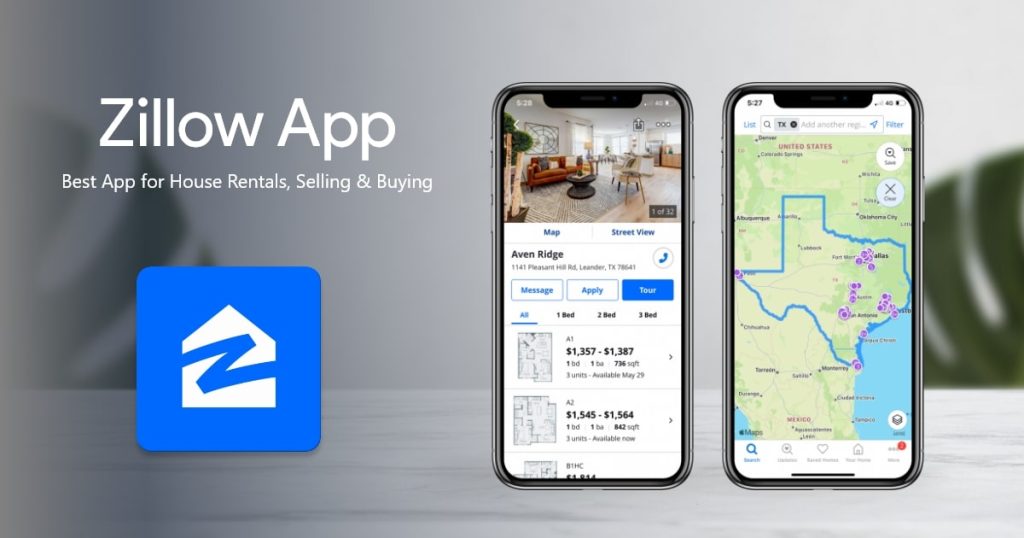
Zillow. The real estate platform uses VR to offer virtual property tours, allowing potential buyers to view homes without physically visiting them.

Pokémon GO. A mobile game that gained massive popularity by using AR to combine virtual characters with the real world, encouraging users to go outside and “catch” Pokémon.
These examples show how companies across different sectors use AR and VR to increase engagement, improve the shopping experience, and offer added value to their customers. As technology continues to evolve, we can expect even more innovative applications that will further transform the way people shop and interact with products on online commerce platforms.
Despite their many benefits, implementing AR and VR technologies also comes with challenges, such as high development and implementation costs, as well as the need for consumers to have appropriate equipment. However, over time, as these technologies become more accessible and cheaper to produce, they are expected to become a standard part of online shopping. In the future, AR and VR will be even more integrated into everyday shopping, offering richer and more immersive experiences capable of replicating and surpassing traditional in-store shopping experiences.
Affiliate programs have become one of the key elements of marketing strategies in e-commerce, enabling companies to increase their reach and sales with relatively low risk and cost. Affiliate marketing is based on cooperation between the product owner (the seller) and affiliates (publishers), who use their own promotional channels (e.g. blogs, websites, social media accounts) to drive traffic to the seller’s offers, receiving a commission in return for sales or other defined actions.
Sign up for webeAds and gain access to exclusive tools to increase sales!
Click here and discover more!
TRY IT FOR FREE!
At the heart of affiliate programs lies a commission-based model in which partners are paid for a specific action, such as a product sale, website registration, or form submission. It is a fair compensation model that rewards the effectiveness and commitment of partners. Advanced tracking and analytics systems make it possible to accurately monitor the traffic, conversions, and sales generated by partners. As a result, sellers can optimize their partnerships, while affiliates gain access to data that helps them promote products more effectively.
In recent years, we have seen a dynamic rise in the importance of mobile e-commerce and contactless payments. More and more consumers are reaching for their smartphones not only to browse the internet and use social media, but also to make purchases and complete payments. This shift in consumer behavior is driving the development and adoption of mobile and contactless technologies in the e-commerce sector.
Mobile payments. Mobile wallets such as Apple Pay, Google Wallet, or Samsung Pay enable fast and secure payments using a mobile phone. Their popularity is growing not only because of convenience, but also due to the increased level of security they offer.
Contactless payments. NFC (Near Field Communication) technology enables contactless payments, where it is enough to hold a phone or payment card near a payment terminal. During the COVID-19 pandemic, contactless payments gained popularity as a way to minimize physical contact.
QR codes. Payments using QR codes have become a popular solution in many countries, enabling fast and secure transactions without the need for payment terminals or physical cards.
In recent years, social media has evolved from platforms for sharing content and communication into powerful sales tools, opening up new opportunities for brands to reach customers. Social commerce and influencer marketing are two phenomena that have revolutionized the way companies build their online presence and drive sales.

Platforms such as Instagram, Facebook, and Pinterest have introduced features that allow users to make purchases directly within the app. Users can browse and buy products without leaving social media, making the shopping process fast and convenient. Social media algorithms analyze user behavior to deliver personalized product recommendations and ads, which significantly influence purchasing decisions. Thanks to the relationships they have built with their followers, influencers are able to effectively shape their purchasing decisions. Recommendations from recognized and well-liked individuals are perceived as more credible than traditional advertising. Influencer marketing allows brands to reach very precisely defined target groups. By collaborating with influencers in specific niches, companies can direct their messages to more interested and engaged audiences.
The logistics and delivery sector is currently undergoing a revolutionary transformation, driven by technological advances, including on digital platforms, and changing consumer expectations. Innovations such as drones, autonomous vehicles, and advanced supply chain management systems promise to significantly streamline and accelerate the delivery of goods, while also reducing costs and environmental impact. However, these advances also bring new challenges that require intelligent solutions.

Delivery drones
Already being tested by giants such as Amazon (Amazon Prime Air) and UPS, delivery drones promise to reduce delivery times to just a few minutes after placing an order. They are particularly useful for delivering packages to hard-to-reach areas.

Autonomous delivery vehicles. Self-driving cars and trucks, developed by companies such as Tesla, Waymo, and Mercedes, have the potential to revolutionize transportation over both short and long distances, minimizing the need for human intervention and reducing the risk of accidents.

Smart supply chain management systems. The use of artificial intelligence and big data to optimize transport routes, manage inventory, and forecast demand makes it possible to significantly increase operational efficiency and reduce waste.
Introducing drones and autonomous vehicles into public spaces requires the creation of new regulations and safety standards that will protect both road users and shipments. For new technologies to be used effectively, appropriate infrastructure is necessary, including charging stations for electric autonomous vehicles and landing pads for drones. The large-scale deployment of autonomous vehicles and drones also requires building trust and acceptance among the public. Education and transparency in communication are key to overcoming concerns related to privacy, safety, and job loss. As the global delivery network becomes increasingly complex, its impact on the environment is also growing. Innovation must go hand in hand with sustainability strategies, including minimizing CO2 emissions, optimizing routes, and reducing packaging consumption.
The future of logistics and delivery looks promising, but it is also full of challenges. Solutions that currently seem to be at an early stage of development, such as drones or autonomous vehicles, have the potential to completely redefine this sector in the coming years. Success in this transformation will require not only technological innovation, but also flexible legal regulations in consumer law, cross-sector cooperation, and clear terms of use.
The future of e-commerce is being shaped by technological advancement and innovative marketing strategies that together create more personalized and efficient shopping experiences.
From personalization to the use of AI, AR/VR, mobile e-commerce, contactless payments, and the importance of online sales in retail networks and influencer marketing, each of these elements highlights adaptation to the needs of the modern consumer. In addition, the role of blockchain in ensuring transaction transparency and security, as well as the effective use of affiliate programs, points to the growing importance of collaboration and trust in the digital sales ecosystem. In the face of these changes, companies are challenged to continuously adapt and invest in new technologies in order to remain competitive and build lasting relationships with customers.
Read also: