

Email marketing has long remained one of the most effective tools in performance marketing, enabling precise reach to carefully selected audiences. Despite the growing role of social media and influencer marketing, email marketing still generates stable and often higher ROI than other channels.
In the age of automation and artificial intelligence, it is worth asking: does email marketing still work in 2025? The answer is clear — yes, but only if modern strategies are used, verified databases are relied on, and close cooperation is maintained with experienced affiliate partners.
Email marketing bypasses intermediaries and algorithms — it allows you to reach the recipient’s inbox directly. It builds a relationship based on marketing consent (opt-in), which significantly increases the quality of traffic and leads.
Unlike social media, which require continuous investment in reach, email marketing is based on loyal databases and makes it possible to run long-term campaigns without constant auction-based costs. It is less vulnerable to changes in algorithms and platform policies.
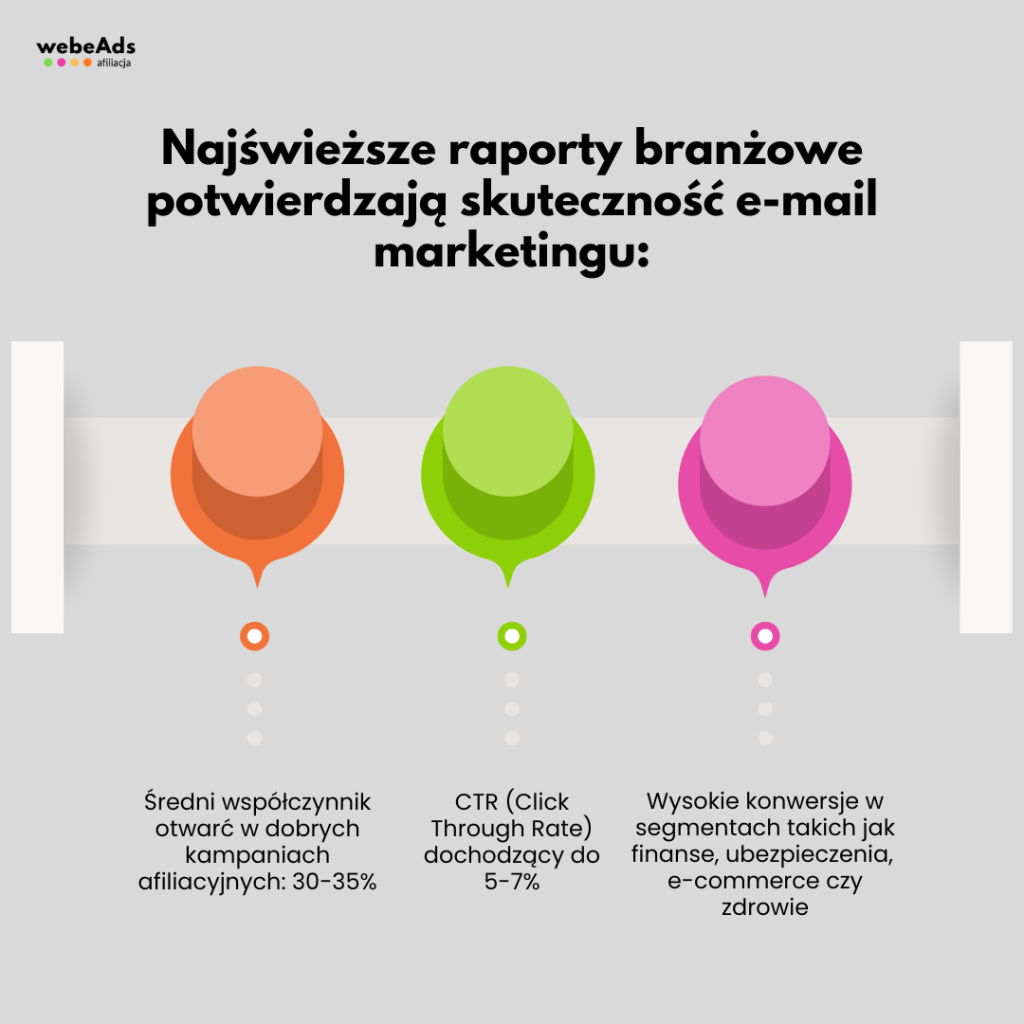
Mass mailings without segmentation lead to low conversion rates and a higher risk of being caught by spam filters. Precise targeting based on interests, age, location, or purchase history is the key to success.
Buying access to databases “blindly” or from unverified partners often results in spam and low-quality leads. It is crucial to verify the source of the database, the freshness of the data, and the mechanisms of marketing consent.
Advertisers often neglect testing subject lines, content, layouts, or CTAs, which leads to wasted budget. Regular optimization against KPIs is essential in professional email marketing.
A professional affiliate network provides full reports on publishers, including:
Affiliate email marketing is best carried out using the following models:
The advertiser pays for results, not for the mailing itself — this minimizes risk and maximizes effectiveness.
Modern affiliate email marketing leverages:
Continuous campaign optimization allows profits to increase while maintaining or reducing costs.
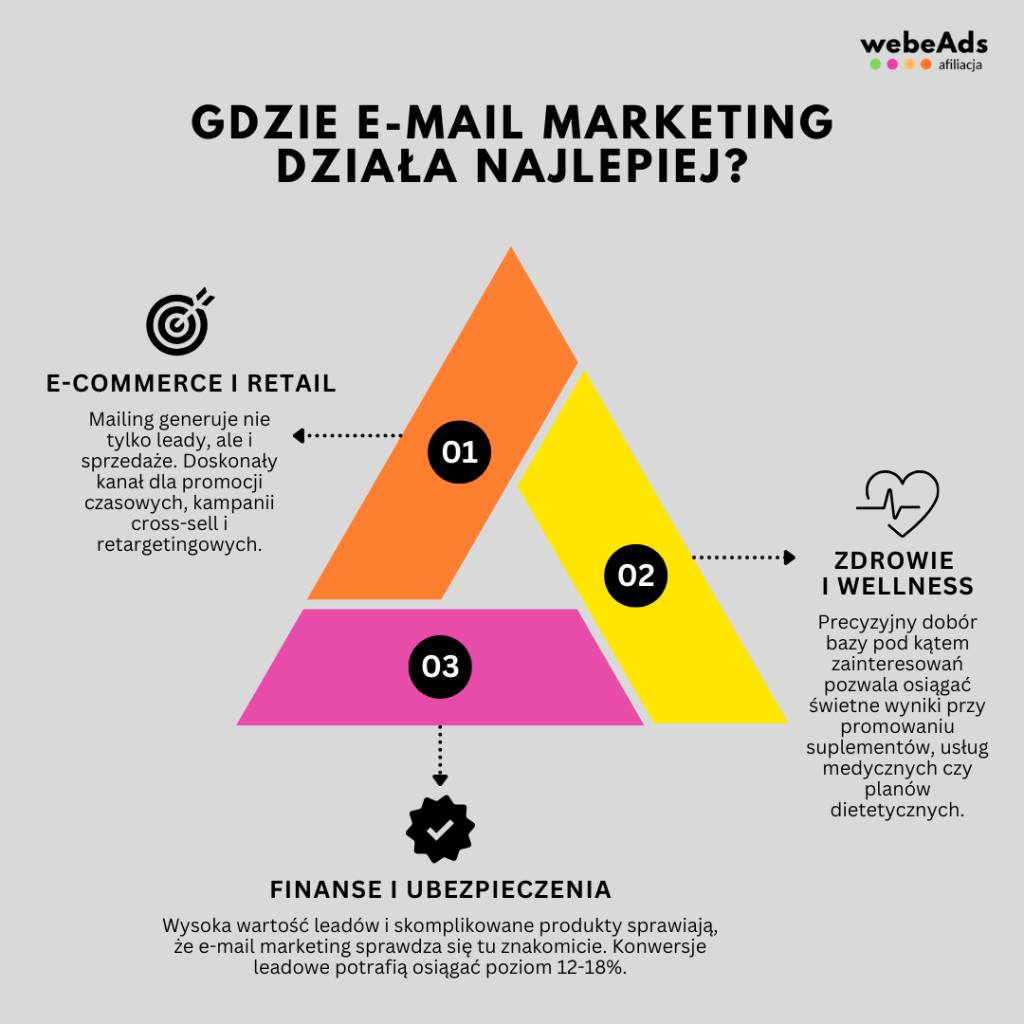
The role of AI in content optimization, personalization, and campaign timing management is growing. Systems learn independently based on results and adjust send-outs accordingly.
More and more campaigns are using dynamic content blocks and interactive elements (e.g. quizzes embedded in emails), increasing audience engagement.
Regulatory requirements are increasing. Professional campaigns must ensure compliance with GDPR and ePrivacy and maintain database quality — user activity is a key indicator.
Grow Your E-commerce with Affiliate Marketing
The answer is: definitely yes. Affiliate email marketing is one of the safest and most predictable sources of leads and sales, provided that:
Predictable costs, performance-based pricing, and scalability make affiliate email marketing an excellent tool for advertisers operating in performance models.
Affiliate networks play a key role in organizing effective email marketing campaigns. They provide access to verified publishers and oversee the quality of ongoing activities.
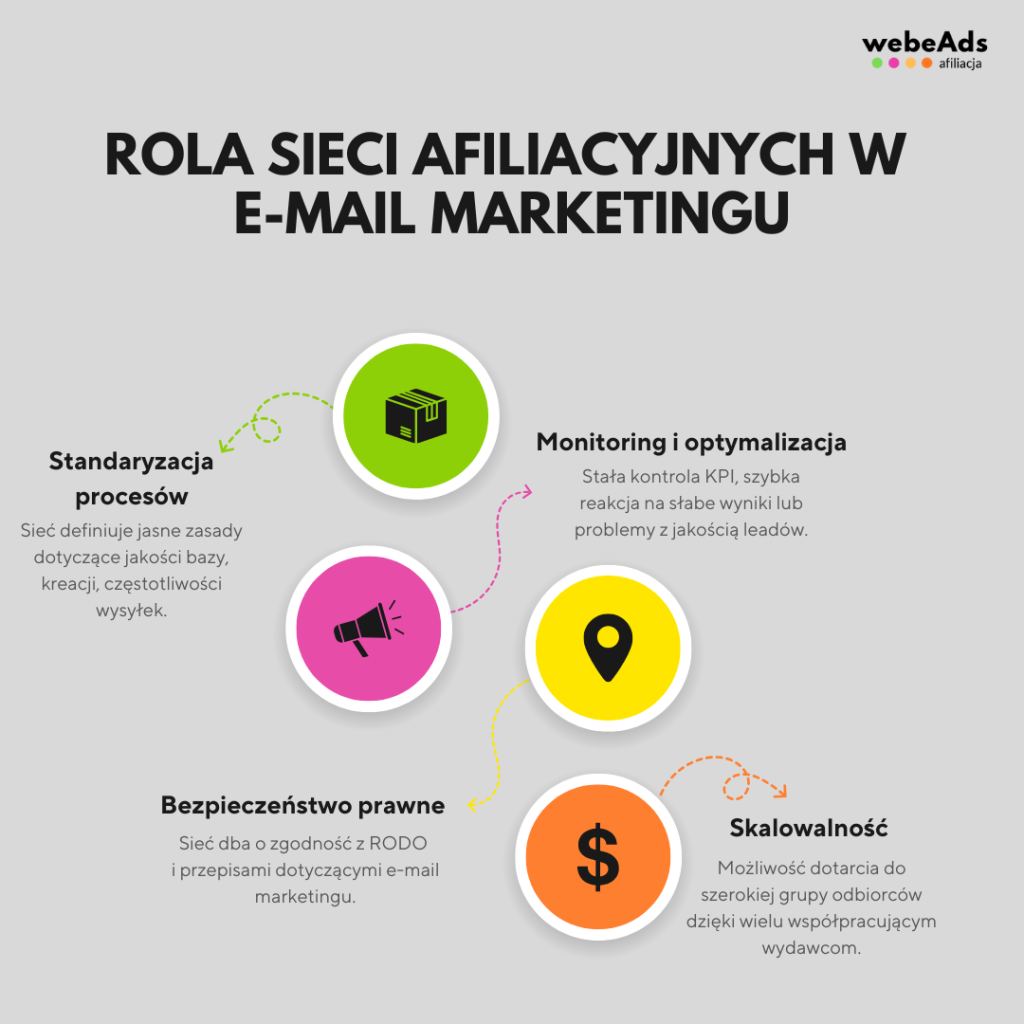
Selecting the right partners is a key success factor. The advertiser should:
Email marketing is doing well in 2025 — provided it is approached professionally. It is not just an “old channel,” but a modern performance marketing tool with enormous lead generation and sales potential.
If you are looking for proven affiliate solutions that use email marketing — work with a partner who truly knows the field.
Register now and launch professional email marketing campaigns: Join WebeAds