
Advertising for commission is undoubtedly one of the safest and, at the same time, most effective ways to promote an online store.
Affiliate marketing involves promoting the advertiser’s products on various websites of online publishers in exchange for a commission on sales generated through a given publisher’s referral.
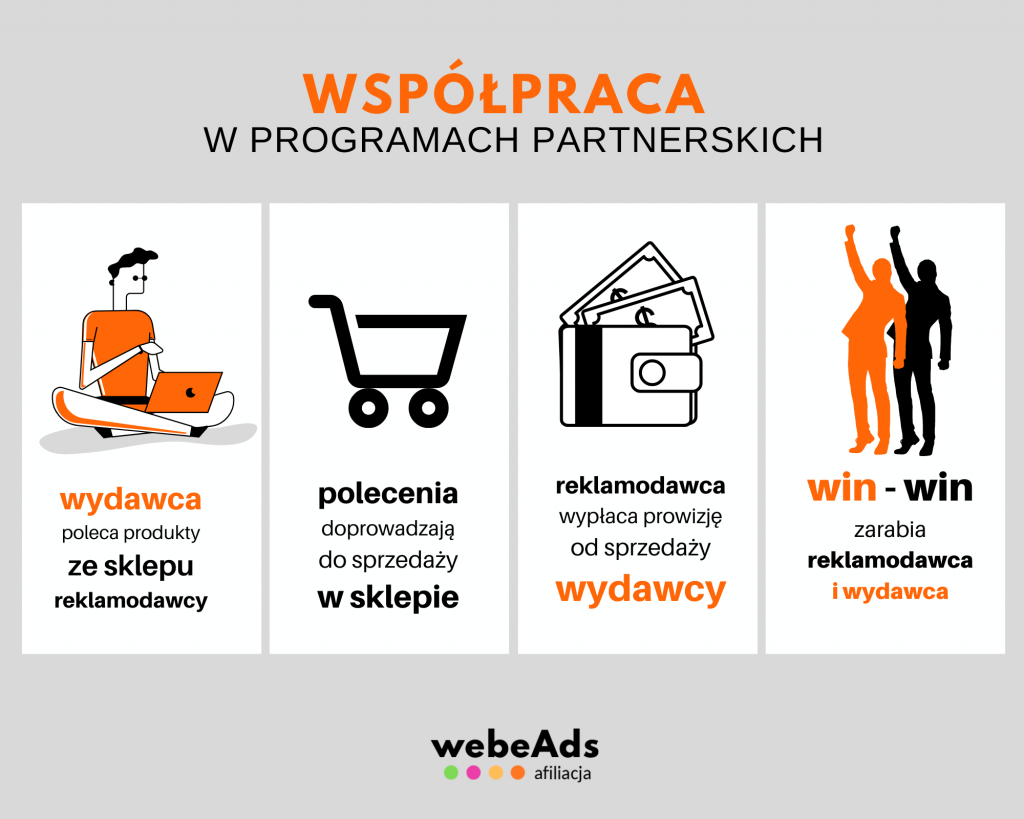
Advertising for commission in affiliate marketing involves three parties: the advertiser, the publisher, and the affiliate network.
An advertiser who chooses the promotion model – advertising for commission – can be any online store owner. Through affiliate cooperation, they increase sales of their products or services by promoting them on publishers’ online spaces.
A publisher can be the owner of a website, blog, product comparison site, or anyone who has a social media profile and wants to recommend the advertiser’s products in exchange for a commission on sales.
An affiliate network acts as an intermediary in affiliate cooperation by providing an affiliate system that enables advertisers and publishers to settle accounts in performance-based settlement models, such as Cost Per Sale, Cost Per Lead, and Cost Per Click.

Affiliate marketing is a cooperation model in which each party receives a benefit. Advertisers, by launching an affiliate program, increase traffic and sales in their online store. Publishers join affiliate programs, recommend the advertiser’s products, and earn a commission on sales. Effective cooperation between the advertiser and the publisher is enabled by the affiliate network, which also receives a commission, but only when a sale occurs.
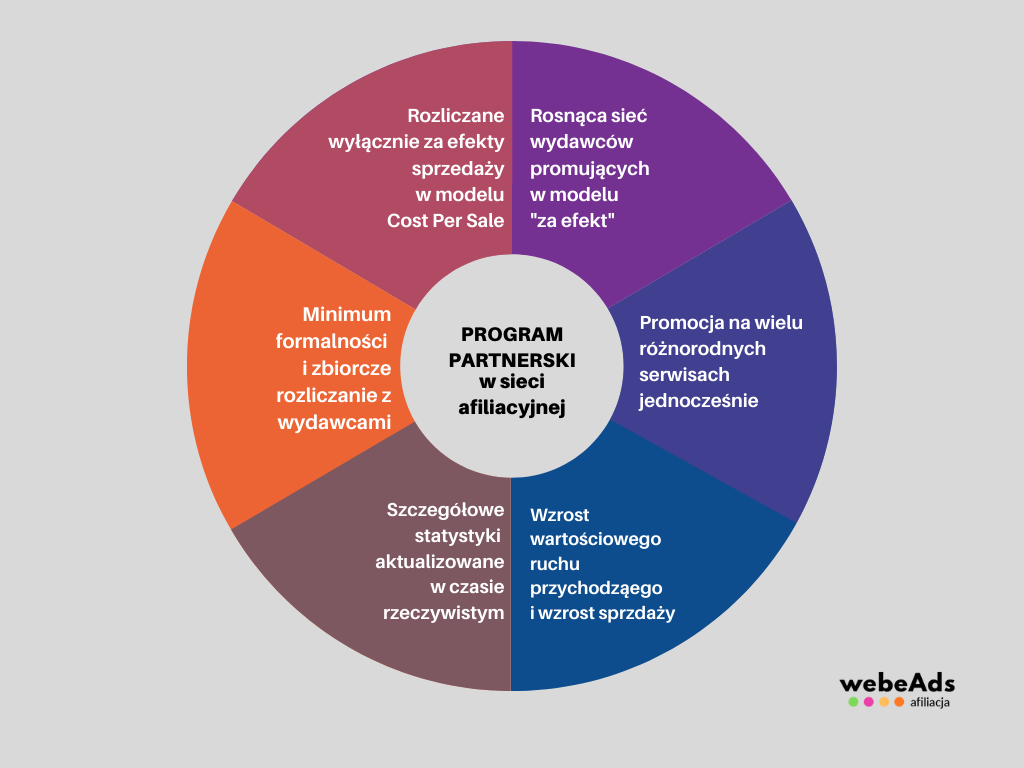
Advertising for commission is actually beneficial for every advertiser. Why? Because they pay only for advertising that directly leads to a sale.
Let’s take a Google Ads campaign as an example. Poorly managed activities will burn through the available budget, with no results in the form of increased store traffic or sales. In affiliate marketing, the Cost Per Sale model is used, meaning commission on sales. The advertiser incurs costs only when they earn money themselves.

By launching an affiliate program in an affiliate network, the advertiser gains full access to detailed statistics that show publishers’ activities. The collected data is easy to read and helps measure the results achieved by the advertising-for-commission campaign.

Even the smallest publishers can monetize their online activities thanks to affiliate marketing. Affiliate marketing can become an additional source of income for them, and they can place affiliate links on their websites, as well as on their social media profiles or in e-mail messages.
Advertising for commission is a model eagerly chosen by publishers. Its main advantage is having full control over how much they earn and how. Publishers have complete freedom in their advertising activities, and additionally, the affiliate network provides them with essential affiliate tools free of charge. These include not only affiliate links, but also banners and widgets that effectively catch the user’s eye and can be adapted to the theme and aesthetics of a specific place on the Internet.
This is not the end of publishers’ independence in their activities. They can also decide independently which affiliate program they want to join, which products to promote, and how. If a publisher decides they no longer want to continue the cooperation, they can end it at any time without unnecessary formalities.
Although we are still far from the United States, where more than 80% of brands use advertising for commission, affiliate marketing revenues in Poland are growing year by year. Especially since all social media platforms, used by more than half of the world’s population, are a great place to recommend products!

To encourage as many publishers as possible, follow the tips below.
As you already know, publishers are an essential link in affiliate cooperation. They generate traffic and sales in your online store. To expand your publisher network, it is worth placing information about the possibility of joining the affiliate program on your online store website. Inform your potential publishers about it at every possible opportunity – on your blog, Facebook, simply everywhere 🙂
An online store website is usually visited by customers who are already interested in specific products. Remember that each of them can become your publisher and recommend products, especially if they use them themselves and know about this opportunity. Affiliate cooperation is not limited to large influencers or websites joining affiliate programs. Thanks to affiliate links, anyone can earn money in an affiliate program!
In fact, it is the advertiser and seller who knows best where they want to promote their products and on which websites their advertising should appear. That is why independently inviting online sellers to the affiliate program is such an important element of building a publisher network.
Inviting publishers to the affiliate program can be done in two non-exclusive ways.
The first option is to invite publishers who are included in the affiliate network’s extensive publisher database. You can choose from publishers with both smaller and larger reach. If a publisher accepts the advertiser’s invitation, they are automatically added to the affiliate program and can start their affiliate activities.
The second option is to find potential publishers online and invite them to cooperate through the affiliate network. For this purpose, it is worth having a dedicated affiliate program subpage prepared, which clearly presents the cooperation rules and benefits for the publisher.
Discount codes are a great magnet for consumers, but also for publishers. People looking for discount codes belong to a group of consumers who have already decided to buy a given product, which ensures high conversion for publishers.
To learn more, see the post: How to be a good advertiser? 10 rules to follow.
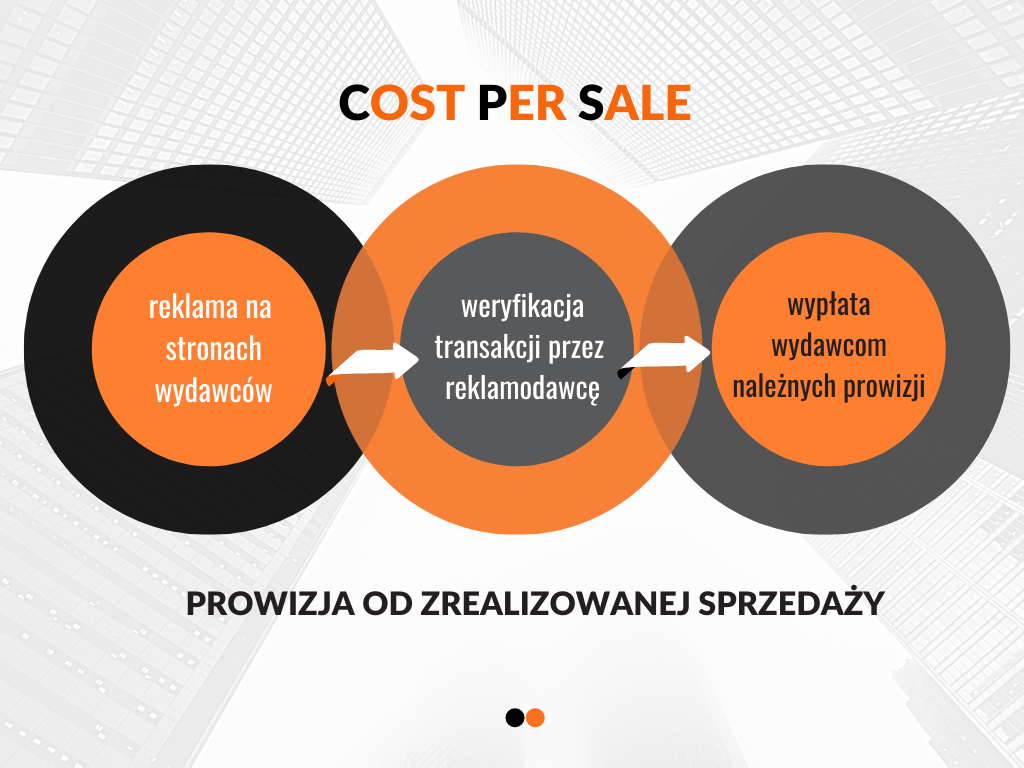
Cost Per Sale is undoubtedly the most commonly used settlement model in affiliate marketing for the e-commerce industry. The advertiser pays a commission on sales generated through the publisher’s referral.
The publisher’s task is to recommend products on their online spaces and wait for users’ reactions. If the publisher advertises the product well and the user clicks on an advertising medium (affiliate link, banner, widget), goes to the advertiser’s online store website, and purchases any product within 30 days, the publisher will receive a percentage commission from that sale.
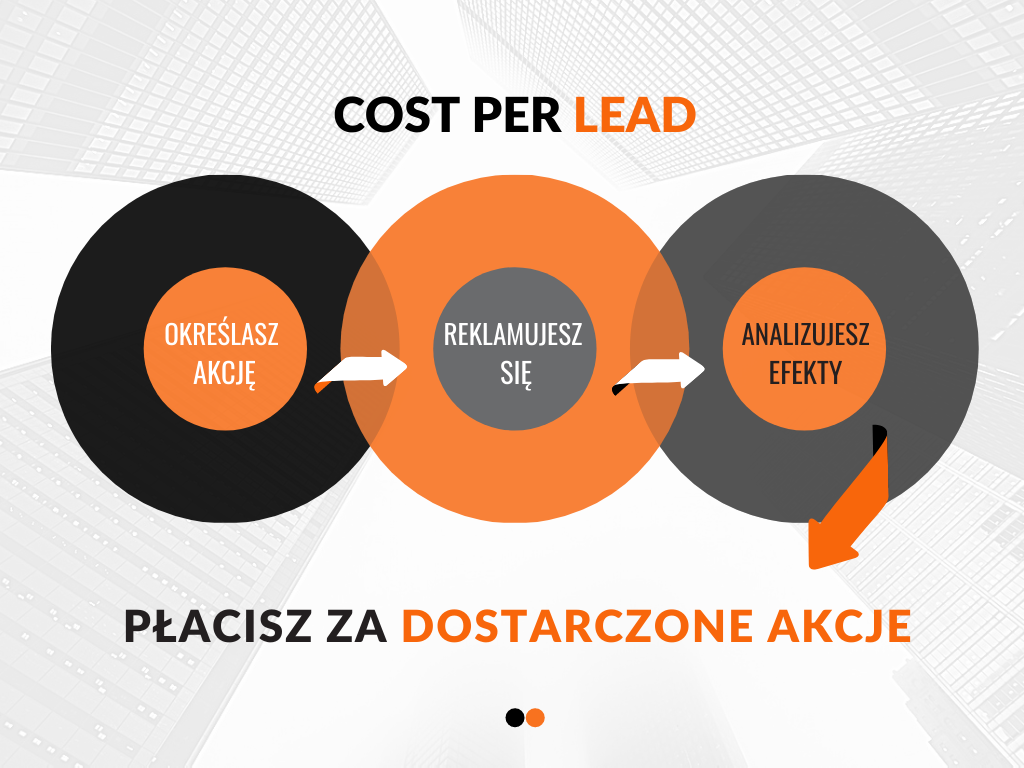
Among performance marketing settlement models, there is also the equally popular Cost Per Lead model, which sets a fixed rate for delivering a specific action. Unlike the CPS model, where the advertiser pays a percentage commission on sales, in the CPL model the publisher receives a pre-agreed amount for delivering a lead, such as registering on a website, filling out a form, subscribing to a newsletter, or downloading an e-book.
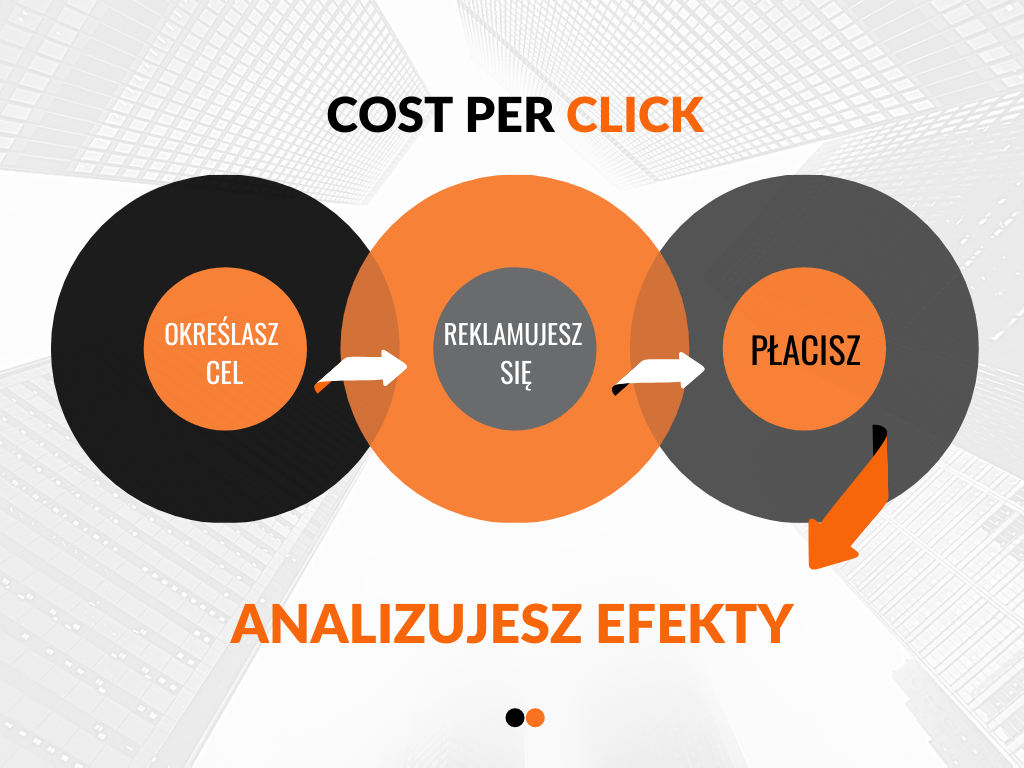
There is also the Cost Per Click (CPC) model, meaning a fixed rate for clicking an ad. From the publisher’s perspective, this is the easiest way to earn remuneration, as it does not require the user to purchase a product from the advertiser’s store or provide their contact details, as in the case of signing up for a newsletter, for example. However, from the advertiser’s perspective, this is the riskiest model because, although it generates traffic to the online store, it does not guarantee that the visitor will make a purchase.
Performance marketing is very flexible and allows different settlement models to be combined, creating so-called hybrid models, e.g. CPS + CPL. Such a combination works well, for example, when users can make a purchase on one website but can also sign up for a newsletter. In other cases, the CPS + CPC or CPL + CPC model can be used. These models work very well to support mailing campaigns with publishers. There is also a CPS + PR package model, which is particularly effective in activities with publishers such as bloggers, influencers, or YouTubers. In this case, it is worth sending them a PR package with a product they can review on their channel, making them more credible. An effective recommendation leading to a sale will result in a commission being calculated for the publisher.