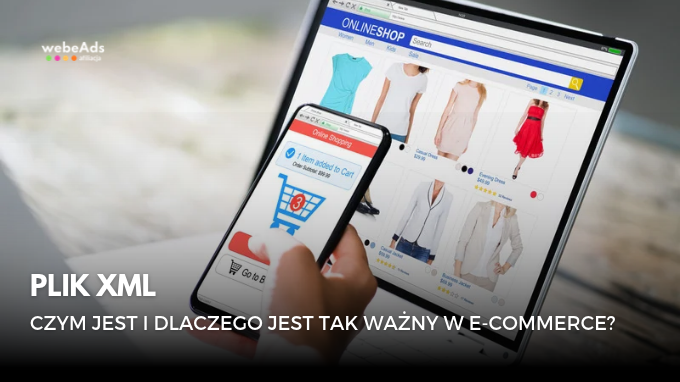

An online store today is not just a website with products, but a fully-fledged business that requires strategy, technology, and marketing. In an era of growing competition, simply launching a store is only the beginning — the key is developing it, attracting customers, and building a competitive advantage.
In this article, we show how advertisers can effectively grow their online stores, which sales and marketing channels are the most effective, and how to combine an online store with affiliate marketing and other forms of promotion.
The biggest challenge for online store owners today is not only attracting traffic, but also retaining the customer. It is customer experience that determines whether a visitor will return — and often whether they will complete their first order at all.
Przejrzysta nawigacja, szybki proces zakupowy, intuicyjna wyszukiwarka produktów, opinie innych klientów – to elementy, które budują zaufanie i skracają drogę od wizyty do konwersji. Reklamodawca, który inwestuje w UX, zyskuje nie tylko sprzedaż, ale i lojalność użytkowników.
Enter the world of affiliate marketing
An online store offers enormous opportunities to scale a business, but to achieve success, a consistent marketing strategy is essential. Simply having good products and attractive prices is not enough — what matters most is how they are presented, how the brand communicates with customers, and what kind of purchasing journey it offers them.
One of the most important directions is omnichannel, an approach based on combining different sales and marketing channels. Consumers rarely make a purchase immediately — most often, they interact with a brand several times before deciding to complete a transaction. That is why an effective online store must be present in many places at once: on social media, on marketplaces, on price comparison sites, and also in affiliate networks.
Such activities increase the number of customer touchpoints and make the brand more recognizable. A user may first see a product on Instagram, then come across a review on a partner blog, and finally make a purchase in the online store. The more natural “bridges” there are between the customer and the brand, the greater the likelihood of a sale.
Sales growth in an online store is also supported by offer personalization. With the help of analytics tools, audiences can be segmented and served content tailored to their needs — for example, product recommendations, special discounts, or emails reminding them about an abandoned cart. Personalization increases conversion rates and improves customer satisfaction, as users feel that the brand understands their needs.
It is also important not to overlook referral marketing and affiliate marketing. Recommendations from real people — bloggers, reviewers, or active forum users — make customers more willing to make a purchase decision. Combined with an affiliate model, in which the advertiser pays only for results, an online store gains an additional sales channel with low risk and high effectiveness.
In summary, increasing sales in an online store is a multi-stage process that combines technology, data, and well-chosen marketing channels. Omnichannel, personalization, and affiliate marketing together create the foundation of an effective e-commerce strategy that helps build an advantage in a competitive market.
Affiliate programs are a natural support for online stores. The advertiser gives publishers a commission for generated sales, and in return receives additional traffic, recommendations, and real transactions.
Importantly, the affiliate model is entirely performance-based – you only pay when the customer actually buys your product. This minimizes risk and allows you to test different channels and target groups without large upfront investments.
One of the fashion e-commerce stores decided to combine an affiliate campaign with a strong presence on social media. Partners published product reviews on blogs, in Facebook groups, and on price comparison sites, using affiliate links.
The result? Within three months, the store increased sales by 45%, and 30% of transactions came directly from affiliate marketing. In addition, brand awareness increased – customers began searching for its products directly on Google, which translated into organic traffic to the store.
Choose authentic advertising – start now

In the e-commerce market, offering a low price is not enough. Advertisers who want to build a competitive advantage should invest in unique communication and added value.
It may include:
It is precisely the combination of traditional advertising activities with performance channels that makes an online store become a brand that customers trust and return to.
An online store today is a dynamic business that requires more than just a product catalog. The advertisers who succeed are those who focus on customer experience, diversification of sales channels, and cooperation within an affiliate model. Thanks to this, they can increase sales, build brand awareness, and grow in a scalable and efficient way.
If you want to grow your online store, combine your marketing activities with affiliate marketing and focus on authentic recommendations. It is an approach that combines brand image with real sales.